

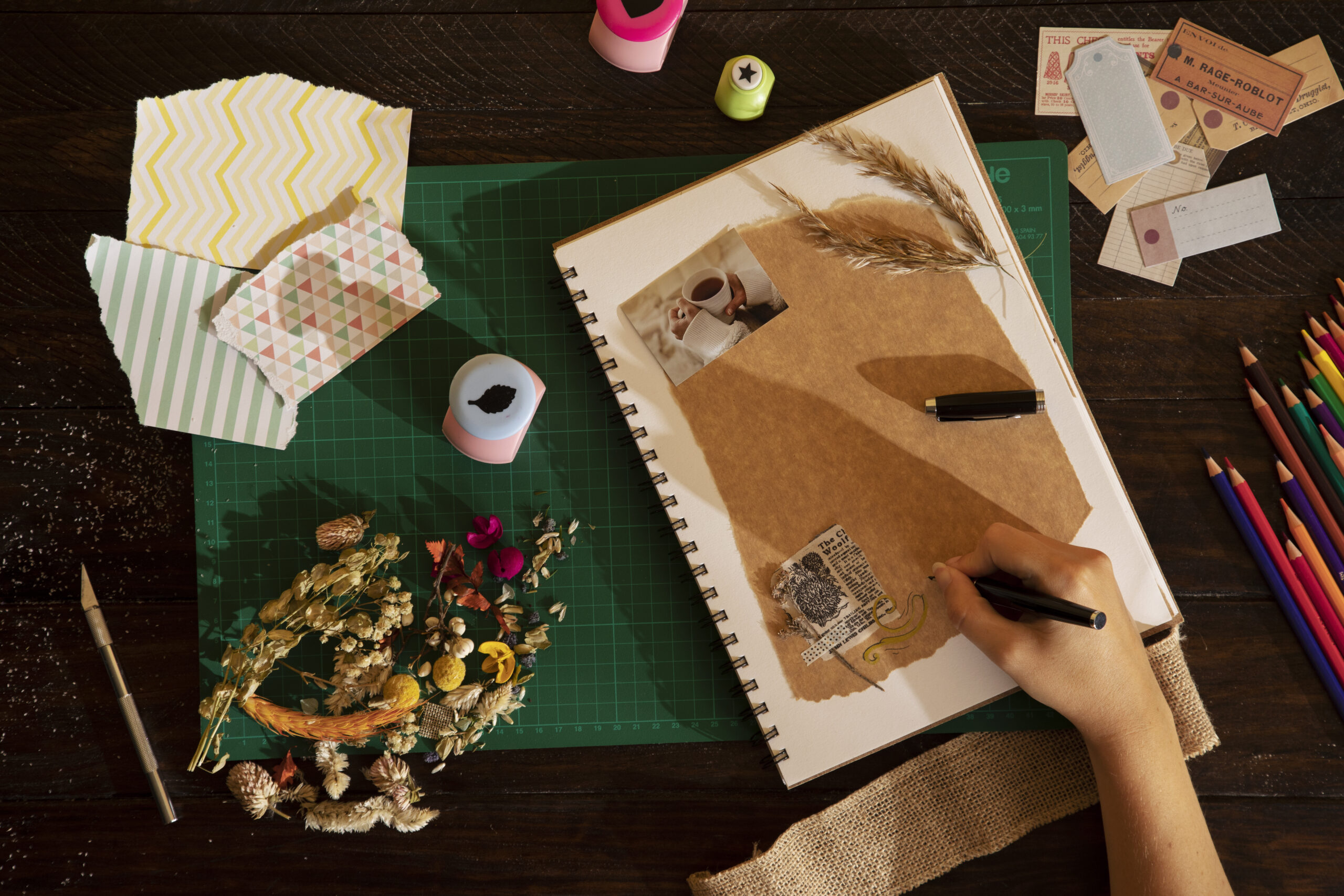
Junk journal supplies can unlock a creative world of collage, art, and meaningful memory keeping, but knowing exactly what to buy—and what to avoid—can save beginners money, frustration, and time.
Key Takeaways
- Essentials like ephemera kits, washi tape, and paper packs have specific sizes, materials, and price ranges that can fit any budget.
- Choosing the right specifications (gsm, size, archival quality) ensures lasting, beautiful junk journals and safer crafts.
- Combining store-bought kits with found and recycled materials offers both creative freedom and real cost savings.
- What Are Junk Journal Supplies?
- Must-Have Junk Journal Supplies (And What They Cost)
- How to Choose Quality (Size, Weight, and Material Matters)
- Creative Junk Journal Ideas for Beginners
- Sourcing Supplies—Where and How to Shop
- FAQ: Buying, Budgeting, and Material Safety
What Are Junk Journal Supplies?
Junk journal supplies are the building blocks for creating unique, mixed-media journals that blend paper, fabric, vintage finds, and decorative elements. These supplies define the look and feel of your collage journaling projects and can be as simple or elaborate as you wish. Common items include curated junk journal ephemera kits (vintage-inspired paper bits, tickets, labels), rolls of Junk Journal Washi Tape, assorted junk journal paper packs, stickers, and even everyday found objects—think old book pages, postcards, and receipts.
This booming craft niche is not just for artists: adults of all experience levels are combining store-bought kits and household bits to tell personal stories. In fact, for 2024 to 2025, the global junk journaling supplies market is valued at over $1.3 billion with a 5.8% annual growth (source).
Must-Have Junk Journal Supplies (And What They Cost)
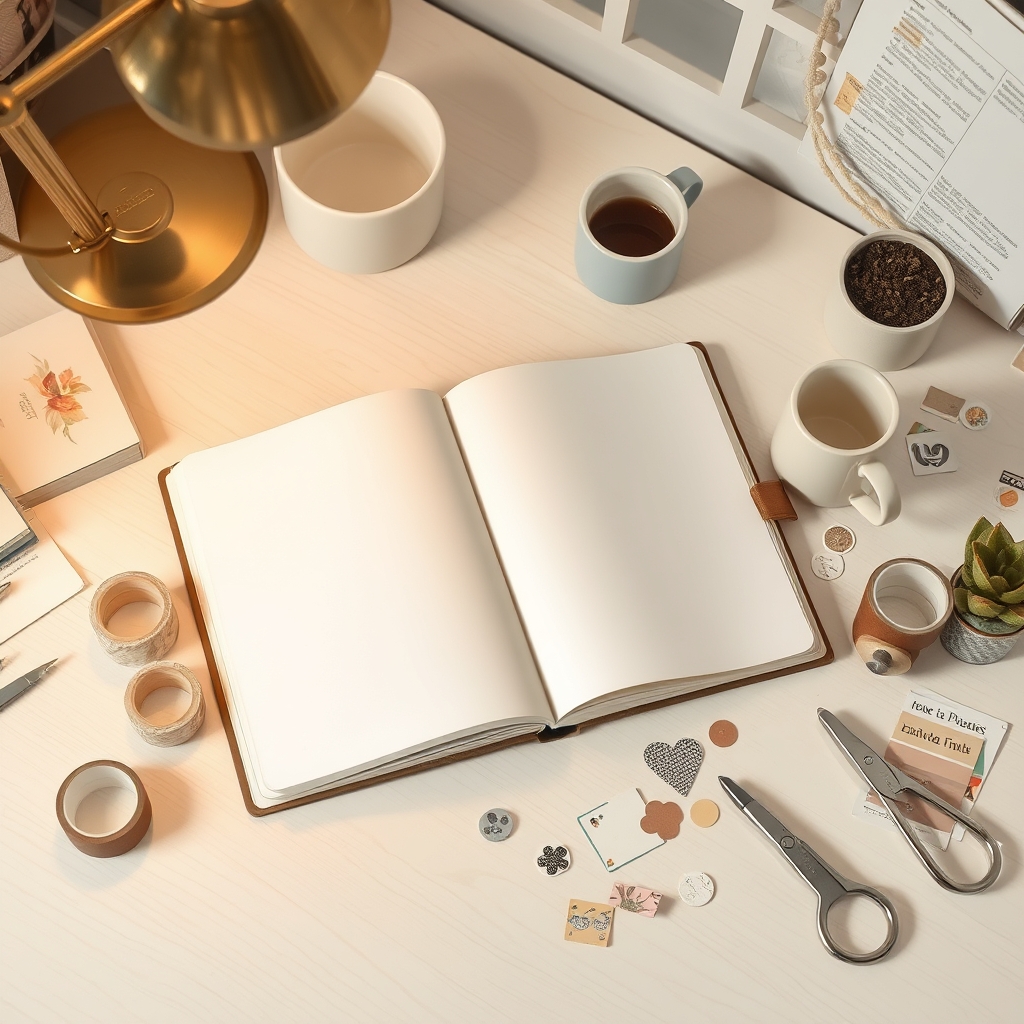
Getting started with junk journaling should be enjoyable, not overwhelming—or expensive. Here’s a concise, practical starter list with the latest price ranges, piece counts, and insider shopping tips tailored for beginners:
- Junk Journal Ephemera Kit: These packs contain 50 to 200 unique pieces (labels, tags, tickets, die-cuts). Cost: $8 to $25. Look for themes that inspire you, or sets that allow mix-and-match for several journaling sessions.
- Junk Journal Washi Tape: Washi tape rolls come in widths of 12-15 mm and lengths from 10 to 33 m. Price per roll: $2 to $5. Multi-roll packs offer better value; try vintage or floral designs for versatile use.
- Junk Journal Paper Pack: Packs usually contain 50 to 100 sheets in assorted designs, typically priced between $6 and $18. Choose kits in either plain, printed, or vintage-inspired styles, depending on your mood and project.
- Basic Tools: Don’t forget sharp scissors, archival glue sticks or double-sided tape, and a sturdy blank notebook (A5 or A4). Starter adhesives cost about $2 to $6 each.
To put this in context, average spending splits as follows according to market data: about 35% on ephemera kits, 30% on washi tape assortments, 25% on mixed paper packs, and 10% on adhesives, tools, and extras (see details). So, for less than $50, you can assemble a full kit and experiment with different looks.
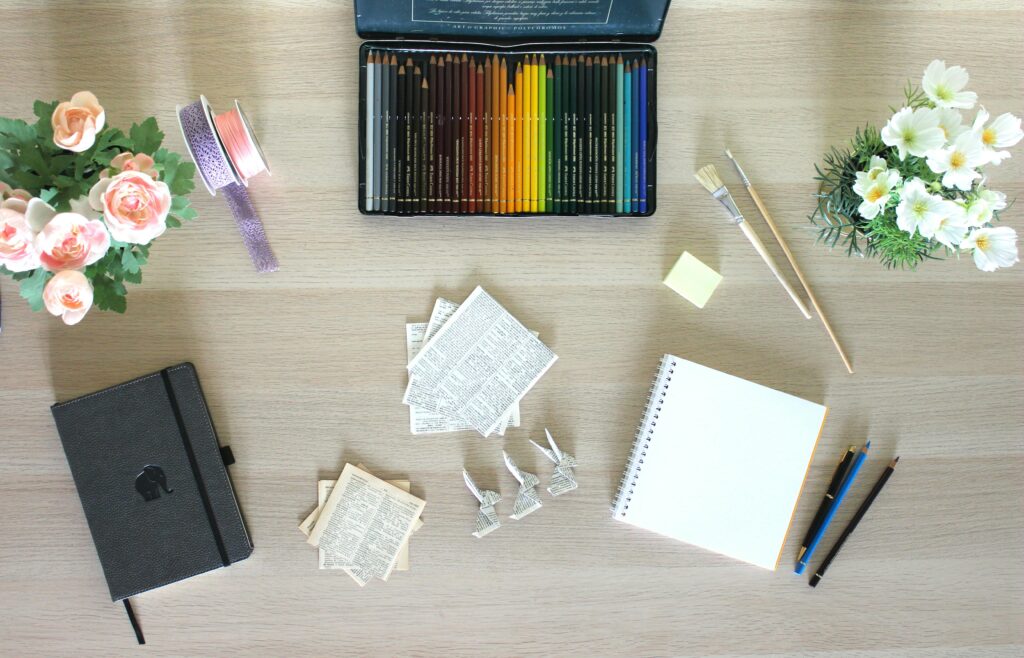
Before you shop, read guides on how to make a junk journal from scratch and compare beginner lists from reliable forums. Also, many top chains offer digital coupons and discounts on multi-pack supplies—look for special deals on themed ephemera or washi bundle packs to stretch your budget further (community tips).
How to Choose Quality (Size, Weight, and Material Matters)
Quality matters—not only for how your junk journal looks but for its durability and safety. Choosing the right size, weight, and material can be confusing, so here’s a breakdown for smarter shopping:
- Paper Size: Most junk journal paper packs come in A5 (148 x 210 mm) or A4 (210 x 297 mm) for versatility. If you want a portable journal, go A5; for larger collage spreads, choose A4. Check your notebook’s size so inserts fit without trimming.
- Paper Weight (gsm): Standard weights are between 80 and 120 gsm—thicker paper works best for wet glues, painting, and page layering. Lightweight sheets are fine for background layers but can wrinkle or bleed if overloaded.
- Material Safety: Look for “acid free,” “lignin free,” and “non-toxic” labels. These features mean your pages will be less likely to yellow, fade, or become brittle over time—critical for memory keeping and family-safe crafts.
- Eco Options: Many premium or specialty kits include 100% recycled paper, cotton-blend sheets, or biodegradable adhesives. These choices are ideal for repurpose materials journaling and help reduce your environmental footprint.
- Vintage Ephemera for Journaling: True vintage pieces (postcards, sheet music, ledger pages) instantly add authenticity, but modern “vintage-inspired” kits are more durable and generally acid free. If picking up real vintage at flea markets, store away from direct sunlight to prevent damage.
| Supply Type | Usual Size | Weight (gsm) | Safety Features | Typical Cost | Pitfall |
|---|---|---|---|---|---|
| Paper Packs | A5/A4 | 80–120 | Acid Free, Recycled | $6–$18 | Too thin bleeds ink; non-archival yellows fast |
| Ephemera Kits | Variable | 60–100 | Lignin Free, Non-Toxic | $8–$25 | Low count mini sets; some bleed through adhesive |
| Washi Tape | 12–15 mm x 10–33 m | n/a | Non-Toxic, Biodegradable | $2–$5/roll | Cheap tape can peel; dried-out stock won’t stick |
| Adhesives | n/a | n/a | Non-Toxic, Acid Free | $2–$6 | Non-archival glues can discolor over time |
Ignore vague product descriptions. Always check the label or item listing for size, “acid free” status, and piece count. Not all “vintage” kits are archival—and some imported tapes can arrive dry or with little actual stickiness, so inspect reviews closely or ask in collage journaling supplies forums.
For a deeper dive, see journal ideas for beginners for illustrated examples of material combos and finishes. Beginners often overspend on large kits or bundles they barely use, while a small curated kit plus free found materials can go much farther.
Creative Junk Journal Ideas for Beginners
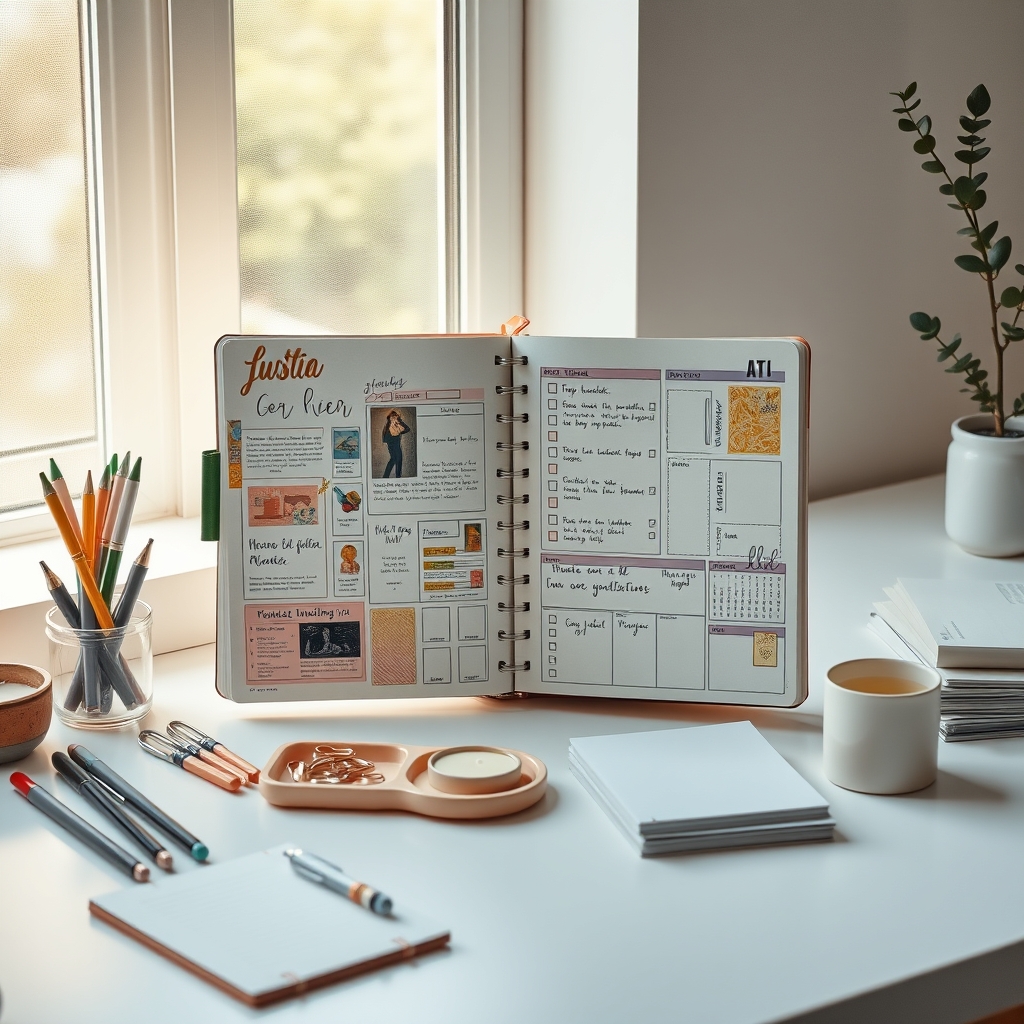
Once you have your starter supplies, it’s time for creative play. The best junk journal ideas for beginners use simple techniques that require minimal skill or extra tools—just a willingness to experiment!
- Found Object Journal Pages: Build a memory page from receipts, transit tickets, or product packaging you’d usually throw away. Add a splash of washi tape or a stamped border for instant flair.
- Collage Spreads: Layer background papers (like music sheets or maps), ephemera cutouts, and washi tape frames for high-impact visuals. Overlap edges for a true “junk journal” look.
- Hidden Journaling Spots: Use envelopes, folded paper, or flaps as secret pockets to hide personal notes or photos.
- Upcycled Book Covers: Transform an old hardcover into your journal base. Remove a few pages to avoid bulk, reinforce the spine with washi tape, and attach new decorative endpapers.
- Repurpose Materials Journaling: Use recycled wrapping paper, magazine images, and even brown parcel bags as unique backgrounds. This approach is eco-friendly and budget-smart.
Surveys and sales data show most crafters mix store-bought ephemera, washi, and paper packs for approximately 90% of their projects; about 10% of spending goes into tools, adhesives, or specialty pieces such as vintage ephemera for journaling (industry breakdown).
Check out more junk journal ideas for beginners to spark inspiration, or join online groups dedicated to page swaps and monthly challenges.
Sourcing Supplies—Where and How to Shop
With the popularity of junk journaling, reliable sources are everywhere—but so are knockoff kits and confusing product options. Here’s how to get quality, value, and peace of mind:
- Major Craft Chains: Michaels, Hobby Lobby, and Joann all stock curated kits, washi, and packs suitable for beginners and pros. Weekly sales and memberships offer real savings—subscribe for printable or digital coupons.
- Online Marketplaces: Amazon and Etsy carry the widest selection. For the latest trends and verified listings, use Amazon’s daily bestseller flags and read third-party seller reviews for kit accuracy, shipping reliability, and customer images (see guide).
- Local and Vintage Shops: Flea markets, thrift stores, and library sales are top spots for one-of-a-kind finds, like old letters, music, or postcards. Always ask about material age—some antique items may be fragile or require archival backing.
- Direct-from-Maker: Many artists sell exclusive ephemera sets or printable kits on their own shops or Instagram. Ask about print methods and paper quality; direct communication increases your odds of getting exactly what you want.
The most reliable product data comes from Grand View Research, Euromonitor, Statista, and market analytics via major retail chains and trade publications that track annual SKU changes. Beginner confusion often comes from vague online kit descriptions—always compare product specs and sizes; when in doubt, contact the seller or post a query in a trusted online group or community (community example).
Want step-by-step details? See our detailed guide on how to make a junk journal from scratch for up-to-date supply and source lists.
FAQ: Buying, Budgeting, and Material Safety
How much should I budget for my first junk journal?
A realistic starter supply kit costs between $25 and $50, covering ephemera, washi tape, a paper pack, adhesives, and basic tools. Buy in small amounts until you know your preferences for styles and brands.
Are all junk journal supplies archival or acid free?
No, not all kits are archival. For long-term preservation and safe use, seek products labeled “acid free,” “lignin free,” and “non-toxic.” Most premium kits include these standards, but check individual listings to confirm.
What’s the difference between store-bought and found/recycled supplies?
Store-bought kits offer clean, coordinated designs and archival safety, while found or recycled items (old papers, packaging, envelopes) add personal meaning and texture—perfect for repurpose materials journaling. Both work together for variety and creativity.
Can I mix craft supplies from other hobbies?
Yes. Scrapbooking, card-making, and even painting materials blend seamlessly with most junk journal supplies. Limit wet/bleeding mediums unless you’re using heavier paper (100+ gsm) to prevent wrinkling.
Are vintage ephemera safe to use in journals?
Most are safe but can be fragile, fade, or off-gas if very old. Mount true vintage papers on acid-free backing, keep away from moisture, and avoid adhesives with strong solvents. Modern vintage-style kits give the look with added durability.
Conclusion
With the right planning, understanding of sizing, cost, and material specs, anyone can enjoy the creative satisfaction of junk journaling without confusion or waste. Focus on quality, safety, and a blend of curated and found objects to keep your process stress-free and fun. For your next project, consult guides, compare kits, and remember—the best junk journal supplies are the ones that suit your style and budget.
Ready to start? Explore our junk journal ideas for beginners and check out our full collage journaling supplies breakdown to shop smart and begin your creative journey today.