

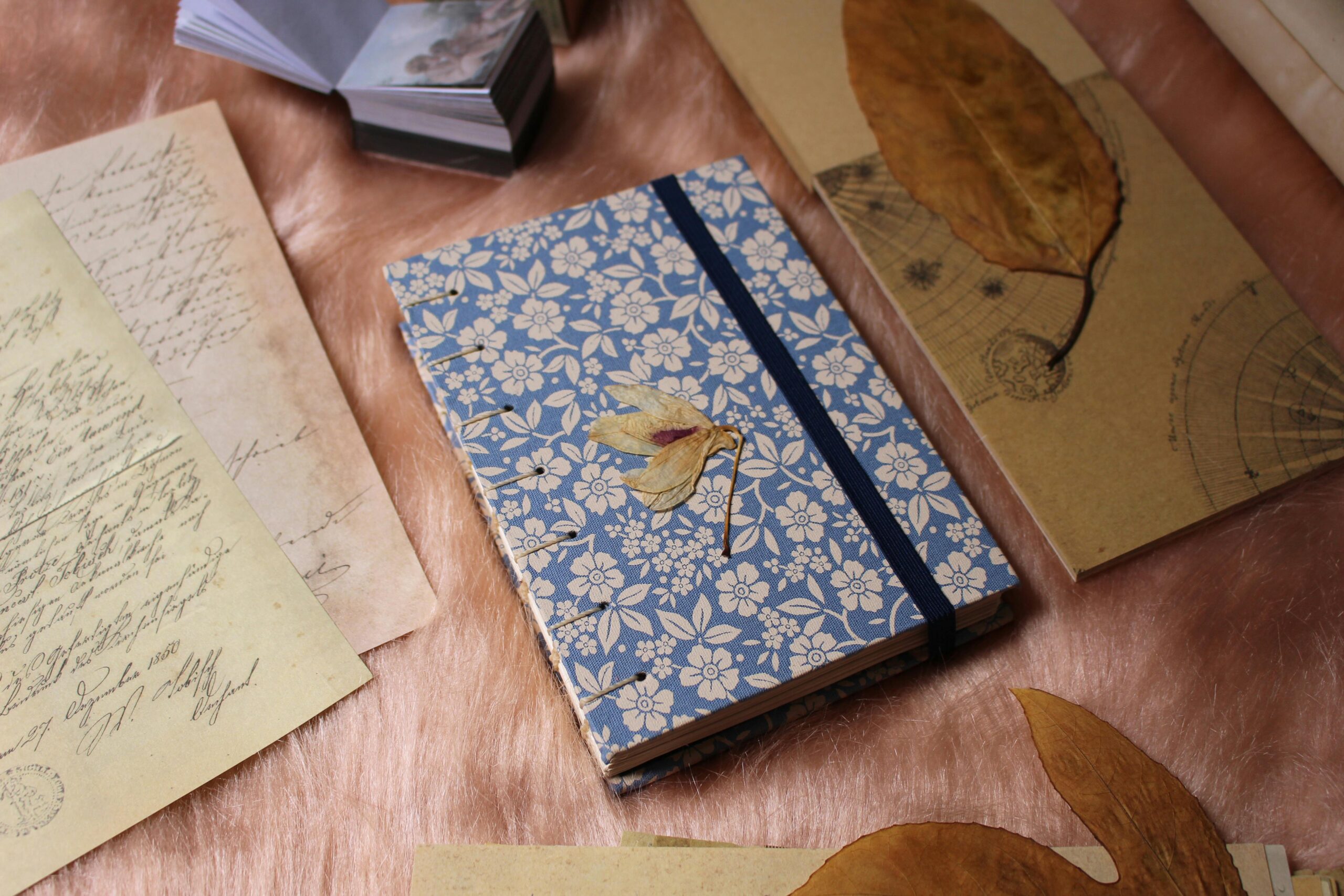
Solarpunk journal aesthetic is quickly becoming the go-to inspiration for eco-conscious creatives who want their bullet journals to reflect hope, sustainability, and nature-forward design. But crafting authentic spreads that actually last and don’t break the bank takes more than mood boards. Here’s how to get it right—and avoid the hidden pitfalls.
Key Takeaways
- Solarpunk journal aesthetic combines green, sun-motif, and sustainable design for spreads that are as optimistic as they are practical.
- Sun-printed and cyanotype materials unlock vibrant botanical looks, but require careful supply choices and preservation to avoid fading and brittleness.
- Most guides miss critical pitfalls: hidden costs, sourcing UV-stable supplies, and how to prevent artwork from degrading over time.
- What is the Solarpunk Journal Aesthetic?
- Step-by-Step: Creating a Nature-Forward Solarpunk Journal Spread
- Advanced Analysis & Common Pitfalls
- Conclusion
- Frequently Asked Questions
What is the Solarpunk Journal Aesthetic?
The solarpunk journal aesthetic blends the optimism of a future shaped by technology and nature with the tactile delight of journaling. Think lush botanicals, radiant sun motifs, upcycled textures, and eco-friendly inks—all built on a philosophy that sees planning and reflection as tools to build a sustainable, brighter tomorrow. These spreads aren’t just visually beautiful; they invite the creator to root their routines in hope, stewardship, and mindful living.
According to recent industry analysis, solarpunk-styled journals generated approximately 12,000 global search queries monthly in 2024, with an estimated $260,000 in direct sales of themed notebooks, supplies, and DIY kits (source). Their appeal is spreading across the bullet journaling and art journaling communities, especially for those seeking new sustainable planner ideas and fresh artistic voices in a world eager for positive change.
Step-by-Step: Creating a Nature-Forward Solarpunk Journal Spread
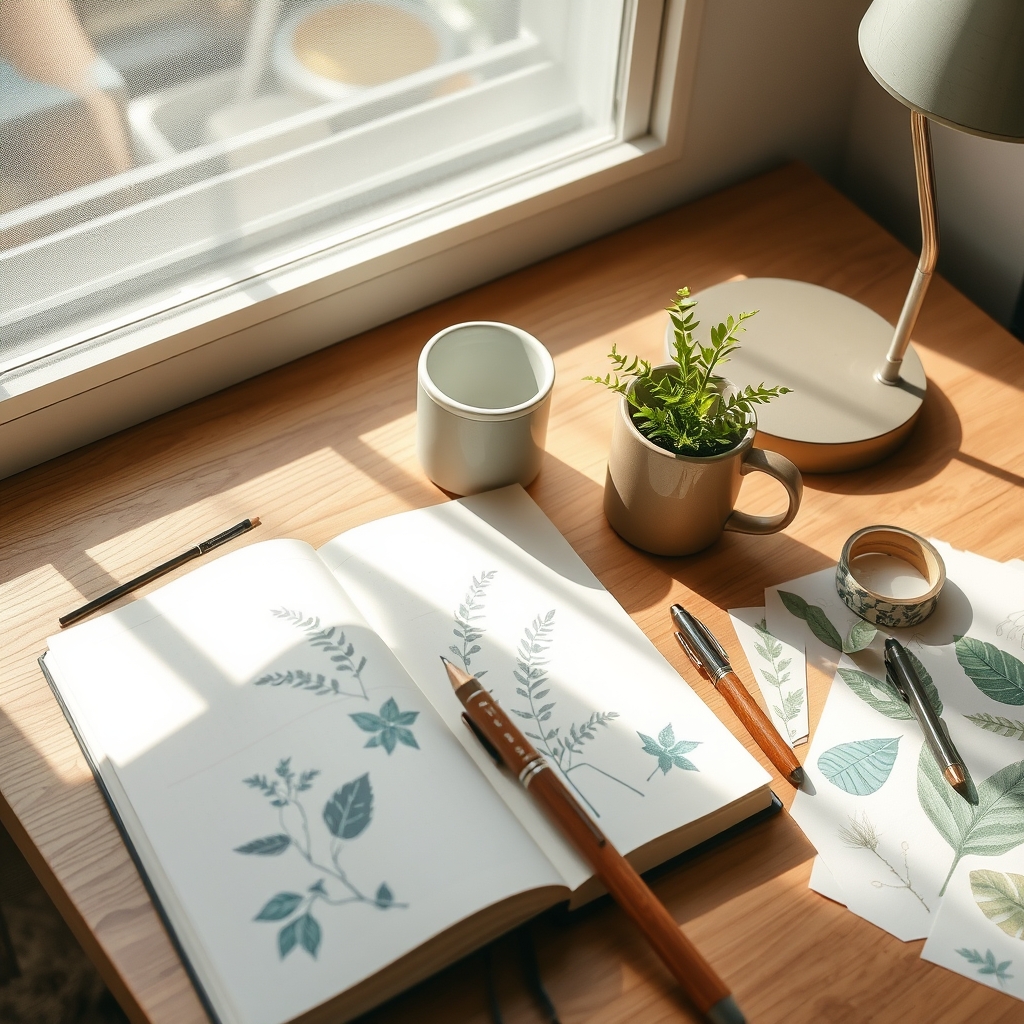
Designing your own solarpunk bullet journal spread means more than sticking green washi tape and doodling leaves. For a true nature-forward journal aesthetic in 2026, you’ll want to experiment with layering botanical PET tape, integrating sun-printed journal pages, and merging handmade elements with digital records for a seamless analog-digital hybrid journal. Here’s how:
- Gather Supplies: Pick up pre-cut sun-printed journal pages ($11–$24 per 10-15 sheets), a basic cyanotype kit ($32–$78), archival pens, and acid-free, preferably recycled paper. Botanical PET tape and pressed botanicals elevate nature motifs. See the eco-friendly journal supplies guide for detailed product links.
- Choose Your Layout: Sketch sun-inspired themes—think radiant circles, sunrise gradients, or intertwined vines. Use light pencil and block space for layering different textures.
- Layer Textures: Apply fragments of sun-printed or cyanotype pages for a vivid base. Overlay with translucent PET botanical tape or hand-pressed ferns for organic detailing.
- Blended Journaling: Photograph finished spreads and import into digital note apps to add interactive, searchable layers. This hybrid approach offers both tactile joy and digital utility. See our guide to digitizing journals.
- Finishing Touches: Use archival pens or water-based brush markers to add quotes or track your habits. Limit page layering to prevent bulking, and opt for thin, acid-free glue sticks.
Why Blend Analog and Digital?
Most top-ranking guides still ignore this hybrid approach. Digital backups allow you to search inspirations, track changes over time, and recover your work if materials degrade—key for the long-term optimism at the heart of the solarpunk journal aesthetic. Read more in our planner hybridization guide.
Advanced Analysis & Common Pitfalls
While the solarpunk journal aesthetic is visually breathtaking, real-world challenges can quickly ruin your spreads. Here’s a critical look at the most common pitfalls and how to avoid them:
| Issue | Why It Happens | Solution |
|---|---|---|
| Sourcing UV-stable, sustainable paper | Many “eco” papers are not acid-free or tested for UV resistance. Sun-printed pages can yellow or degrade quickly. | Seek certified archival-quality papers (ideally FSC- or PEFC-certified, acid-free, and labeled for print longevity). Check botanical art forums for recommended brands. See our botanical journal page resources. |
| Image fading or brittleness with sun-prints/cyanotypes | Exposure to light and humidity breaks down the chemical bonds in cyanotype or solar-printed pigments, especially on low-grade paper. | Apply UV-blocking spray after drying. Store completed journals out of direct sunlight and in a climate-controlled environment. Use gentle lamination for fragile spreads (details: source). |
| Steep up-front supply costs | Cyanotype kits and eco tape often cost more due to small-batch, artisan, or imported production. | Start with small sample packs and DIY cyanotype mixes, or join local craft clubs for group bulk orders. Compare real prices in market trend reports. |
| Planning/Design Overload | Trying to fit too much into each spread (botanicals, sun-prints, PET tape, digital elements) often causes clutter. | Limit each spread to 1–2 special elements; use white space for visual rest. Preview layouts digitally before committing on paper. |
Based on user surveys, the three most frequent complaints remain: hard-to-find certified, UV-stable paper; image fading on sun prints; and initial supply costs that add up quickly (data). If you want to future-proof an optimistic future journal, proactive storage and smart supply selection are a must.
Conclusion
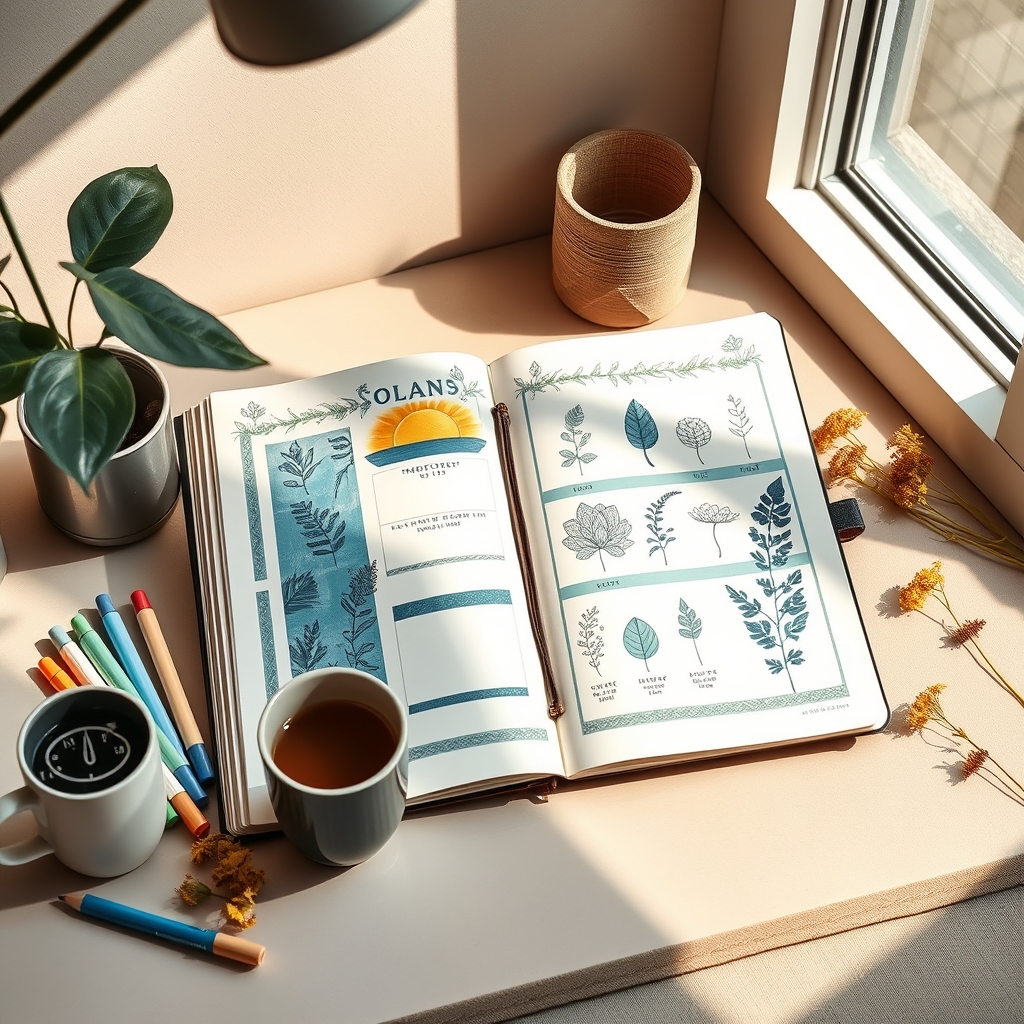
The solarpunk journal aesthetic stands out for its bright combination of hope, sustainability, and tactile beauty. Whether you’re layering sun-printed journal pages, experimenting with cyanotype journaling, or blending digital and analog techniques, attention to supply quality and preservation methods will keep your botanicals and sun motifs vibrant for years. Start with a small investment, test each process, and build your skills as you go. Ready for deeper ideas? Visit our full archive of solarpunk journal ideas and planner inspiration to get started today.
For more information on eco-conscious planning, see our eco bullet journal tips and archival journal preservation guides.
Frequently Asked Questions
What is the solarpunk journal aesthetic?
This journal style merges environmentally hopeful, sun- and plant-inspired visuals with sustainable materials, often using sun-printed or cyanotype pages for botanical impact. It is both a design choice and a reflection of climate optimism.
Where can I buy supplies for cyanotype journaling?
Starter cyanotype kits are available on Etsy, specialist art stores, and from direct suppliers. Expect prices between $32 and $78 for complete kits. For sun-printed pages, small-batch sellers offer packs for $11–$24.
How do I prevent fading on sun-printed journal pages?
Seal finished artwork with a UV-blocking spray and store out of direct sunlight. For high humidity areas, keep journals in a cool, dry box with silica packets. Lamination is another option for flat pages not meant to be written on again.
Can I create a digital backup of my solarpunk journal?
Absolutely. Scan each spread or use a phone app to photograph pages. Import into digital note platforms for searchability, annotation, or to print copies later. Hybrid journaling protects your artwork against fading and loss.
Are there affordable ways to get started?
Begin with DIY cyanotype chemicals or purchase only a few sheets to test. Upcycle materials such as cereal boxes for covers and use pressed leaves instead of pricier PET tape for eco-friendly, budget-conscious journaling.
—