

Seed paper journal inserts are no longer just a novelty—they’re an actionable way for eco-focused journalers and small business owners to align their stationery habits with circular, zero-waste values. If you want to buy, use, and get more out of plantable, compostable journal supplies in 2026, this guide breaks down exactly what matters, what’s possible, and what to avoid.
Key Takeaways
- Seed paper journal inserts offer a certified, zero-waste alternative to conventional plasticized or coated paper—when used and disposed of correctly.
- Buyers should look for trusted eco-labels like OK Compost HOME and FSC to ensure actual plantability and environmental integrity.
- Real-world use reveals drawbacks, like fragility, ink bleed, and variable germination, but step-by-step best practices can maximize their lifespan and value.
- Why Choose Seed Paper Journal Inserts?
- How to Choose and Use Seed Paper Journal Inserts for Maximum Value
- Advanced Analysis & Common Pitfalls
- Conclusion: The Sustainable (and Joyful) Future of Journaling
- FAQs
Why Choose Seed Paper Journal Inserts?
Seed paper journal inserts are sheets or pages made from recycled paper pulp embedded with plant seeds. After journaling, instead of adding waste to landfill, these plantable journal pages can be torn out, soaked, and planted in soil. As the pages biodegrade, the seeds germinate, growing into flowers or herbs—truly a second life for your notes and seasonal reflections.
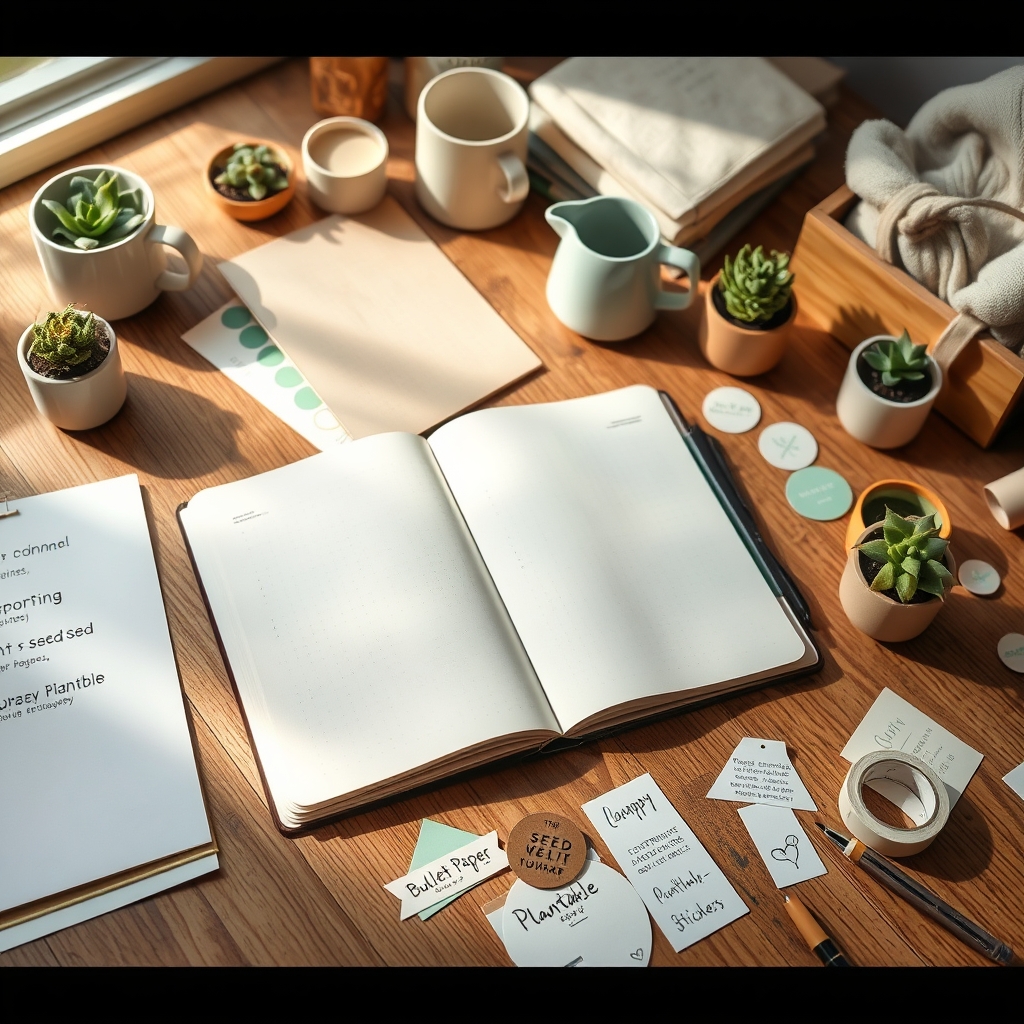
This process embodies circular crafting: every stage, from creation (using post-consumer recycled pulp) to disposal (planting and composting), reduces dependence on virgin resources and eliminates plastic. According to recent research, “The global seed paper bag segment is projected to reach about $190 million by 2035, with journal-type applications estimated at $25–30 million sales by 2026” (Future Market Insights). This shows how plantable, eco-friendly bullet journal supplies are quickly overtaking traditional, plastic-laminated competitors.
In practice, using biodegradable journal inserts is ideal for anyone curating a sustainable self reflection journal, setting up a solarpunk journal aesthetic, or even sourcing junk journal supplies that leave no footprint. These compostable planner pages put journalers in direct control of their environmental impact—while adding a layer of seasonal creativity and personal growth.
How to Choose and Use Seed Paper Journal Inserts for Maximum Value
Eco-conscious journalers and stationery buyers want more than a pretty gimmick—they want confidence that their sustainable journal accessories actually work as claimed. Here’s how to choose, write on, store, and plant your seed paper bullet journal inserts for real results.
- Select Certified Products: Look for clear labeling—OK Compost HOME guarantees the whole insert can break down in typical home compost. FSC logo means responsibly managed forests and supply chains. Many seed paper notebook makers offer batch numbers or QR codes to validate claims (Botanical PaperWorks).
- Check Seed Source & Species: Avoid invasive or allergenic seeds; opt for non-GMO wildflowers like English daisy, poppy, or sweet alyssum. Some brands (like Botanical PaperWorks) highlight regional-friendly seed mixes and give planting guidance on a per-product basis.
- Write Mindfully: Stick to waterproof, archival pigment ink. Avoid gel and water-based markers.
For creative prompts, see our shadow work journal guide. - Store Properly: Keep unused seed paper journal inserts in a cool, dry spot away from direct sunlight. Excess heat or moisture can destroy germination rates—important if you bulk buy as a business or for gifting.
- Compostable Packaging: Not all packaging is created equal. Ensure sleeves, stickers, and wrappings are also Compostable Packaging—avoid products in plastic or “bioplastic” wrappers that might not break down in a home compost (check for clear end-of-life icons or QR badges).
- Plant Correctly: Tear written sections into smaller pieces, soak overnight, then press into moist soil (1/8 inch deep). Keep damp for 10-14 days, ensuring indirect light and moderate warmth. For specific steps with visual aids, some brands now offer digital-enabled journal inserts and plantable stickers for journal layouts with QR code video guides.

If you’re a small business curating sustainable journal accessories 2026—or want to wow your audience with branded, circular crafting stationery—provide detailed care cards. Or, take it digital: add a QR planting guide, a buyer badge system, or even a soil moisture tracker app partner to make the afterlife of your planner pages as engaging as the journaling itself.
For more ideas on blending traditional and digital journaling, explore the AI journaling app guide or check out creative eco journaling concepts in the solarpunk journal inspiration article.
Advanced Analysis & Common Pitfalls
While enthusiasm for plantable stationery is at an all-time high, many buyers run into the same core problems. Here’s what the data and real-world experience reveal about compostable planner pages, biodegradable journal inserts, and the future of eco-friendly bullet journal supplies.
| Pitfall | Explanation | Simple Fix or Workaround |
|---|---|---|
| Low Seed Germination | After 2 years, germination rates can fall below 70% due to age, poor storage, or non-viable seeds (Source). | Buy smaller batches and keep unused inserts sealed and cool. Plant soon after journaling. |
| Fragility | Journal pages can rip or disintegrate, especially if thickly seeded or damp. Not suited for every journaling style. | Opt for denser (yet certified) stock when possible. Use flat sticker mounts to reinforce edges. Handle pages gently. |
| Ink Bleed & Feathering | Water-based inks soak inconsistently, making detailed layouts hard to read. | Use test swatches and stick to recommended archival pens or colored pencils. |
| Unclear Packaging | Packaging is sometimes labeled “eco” but lacks third-party certification or clear composting instructions. | Stick to brands with OK Compost HOME icons—and always look for batch, origin, and recycling info. |
| Higher Price | Certified seed paper journal inserts cost 12–18% more than standard paper equivalents (After Hours Creative Studio). | Value circularity: get creative in layouts to minimize waste, and combine plantable with reusable journal covers. |
Most seed paper bullet journal and planner pages also lack transparency regarding shelf life or seed viability. As market expectations evolve, future-forward brands are addressing this with data-backed shelf-life labels, badge systems, and interactive digital planting guides (QR, AR, or video)—features many current competitors do not provide. Customers repeatedly express in surveys that they “want clear end-of-life instructions and a way to track their plant’s growth after journaling.”
Curious about analog–digital hybrid solutions that connect physical journaling with smart tracking or long-term archiving? Explore options in our guide about the best digital journaling pens or see which creative supplies mix well with plantable seed paper in the junk journal supplies roundup.
Conclusion: The Sustainable (and Joyful) Future of Journaling
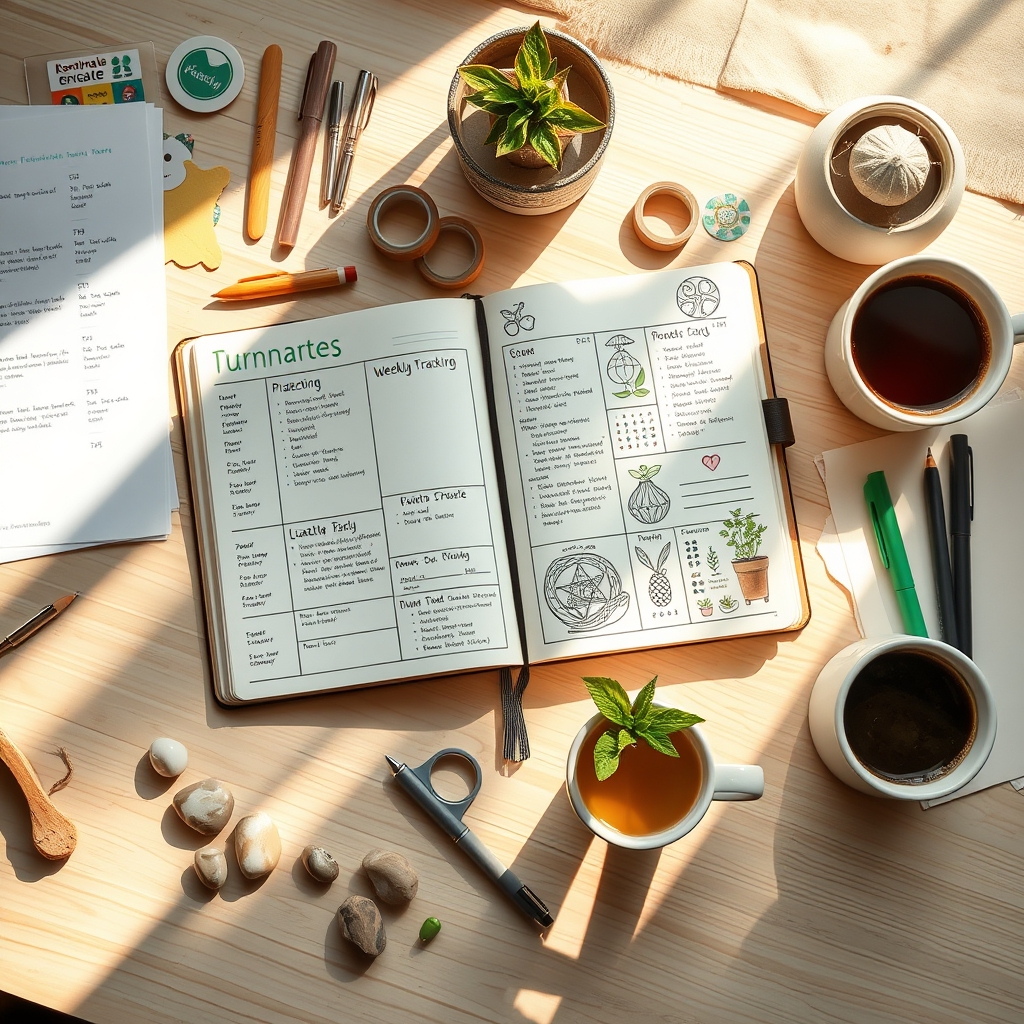
In a world where every supply purchase doubles as a small act of activism, choosing certified, thoughtfully designed seed paper journal inserts has a meaningful impact. When these plantable journal pages are sourced with genuine eco-certification and used mindfully, they inspire both creativity and environmental stewardship. By understanding certifications, realistic usage challenges, and the power of a circular, interactive experience, you unlock the full sustainable journal accessories 2026 potential—while making your journaling journey more joyful, memorable, and green.
Now is the ideal time to rethink notebooks, planner pages, and every layout in favor of products that go beyond “less waste”—bringing new life to each page you fill. Want to discover more creative and sustainable options? Explore our in-depth guides or start a conversation with an eco-friendly journal community today.
FAQs
Are all seed paper journal inserts actually compostable at home?
No. Only those with “OK Compost HOME” certification can be composted in a standard home setup. Always check the product’s label or documentation.
What seeds are usually used in plantable journal pages?
Common seeds include wildflowers like poppy, daisy, and sweet alyssum. Some producers offer regional-friendly or pollinator-safe mixes.
How long do seed paper journal inserts last before planting?
If stored cool and dry, most retain good germination for up to 12–18 months. After two years, germination may drop below 70%. Always buy in quantities you’ll use soon.
Can I use watercolors or markers on seed paper journal inserts?
Use with caution—most marker and watercolor inks will bleed or feather. For best results, stick to archival pigment pens or colored pencils.
Is the packaging of seed paper journals always compostable?
No. Packaging may look eco-friendly but often lacks actual certification. Choose brands that specify OK Compost HOME or similar for both inserts and their wrappers.