
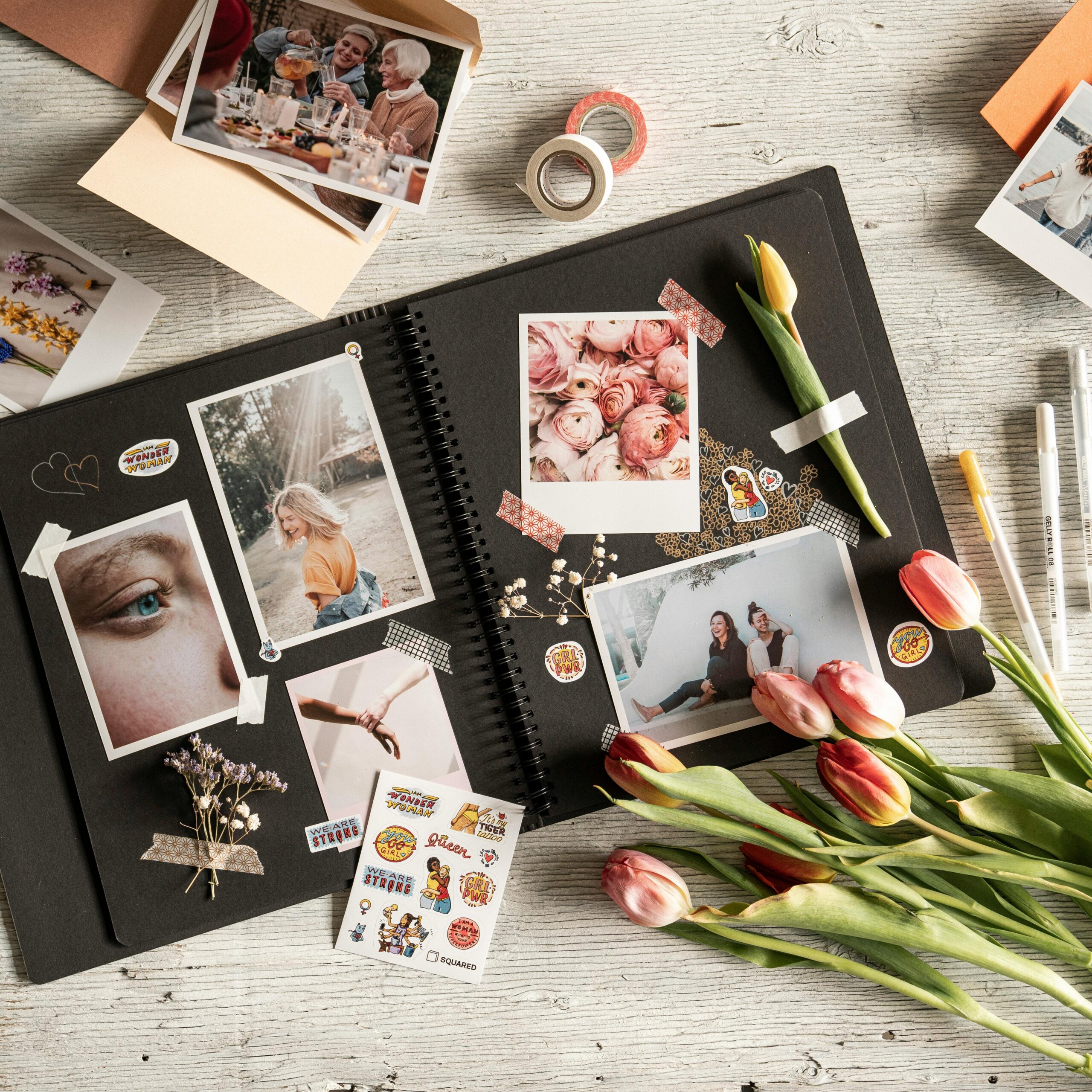
Maximalist layering journal methods—sometimes called “chaos coordinator” journaling—are reshaping how creative individuals capture memories and ideas in 2026. Instead of neat minimalism, this hands-on trend prioritizes rich textures, tactile layers, and expressive collaging while tackling common pain points: mess, cost, and visual clarity. If you’ve ever longed for a journal that looks as energetic as your thoughts—but want to avoid overwhelm—this guide delivers professional strategies and practical supply picks to help you build spreads that feel both wild and remarkably readable.
Key Takeaways
- The maximalist layering journal or “chaos coordinator” style celebrates texture, layering, and imperfection—perfect for ADHD, sensory seekers, and anyone craving creative freedom.
- Modern supply picks like PET tape, durable washi, and clever adhesives allow complex collage without page warping or visual chaos—even on a budget.
- New hacks (batch prepping, visual hierarchy tricks, strategic white space) streamline your process so maximalist journaling is doable for busy, neurodivergent, and cost-conscious creators.
- What Is Maximalist Layering Journaling?
- Step-by-Step Guide: Building Layered, Textured Journal Pages
- Advanced Analysis & Common Pitfalls
- Conclusion
- FAQ: Maximalist Layering Journal
What Is Maximalist Layering Journaling?
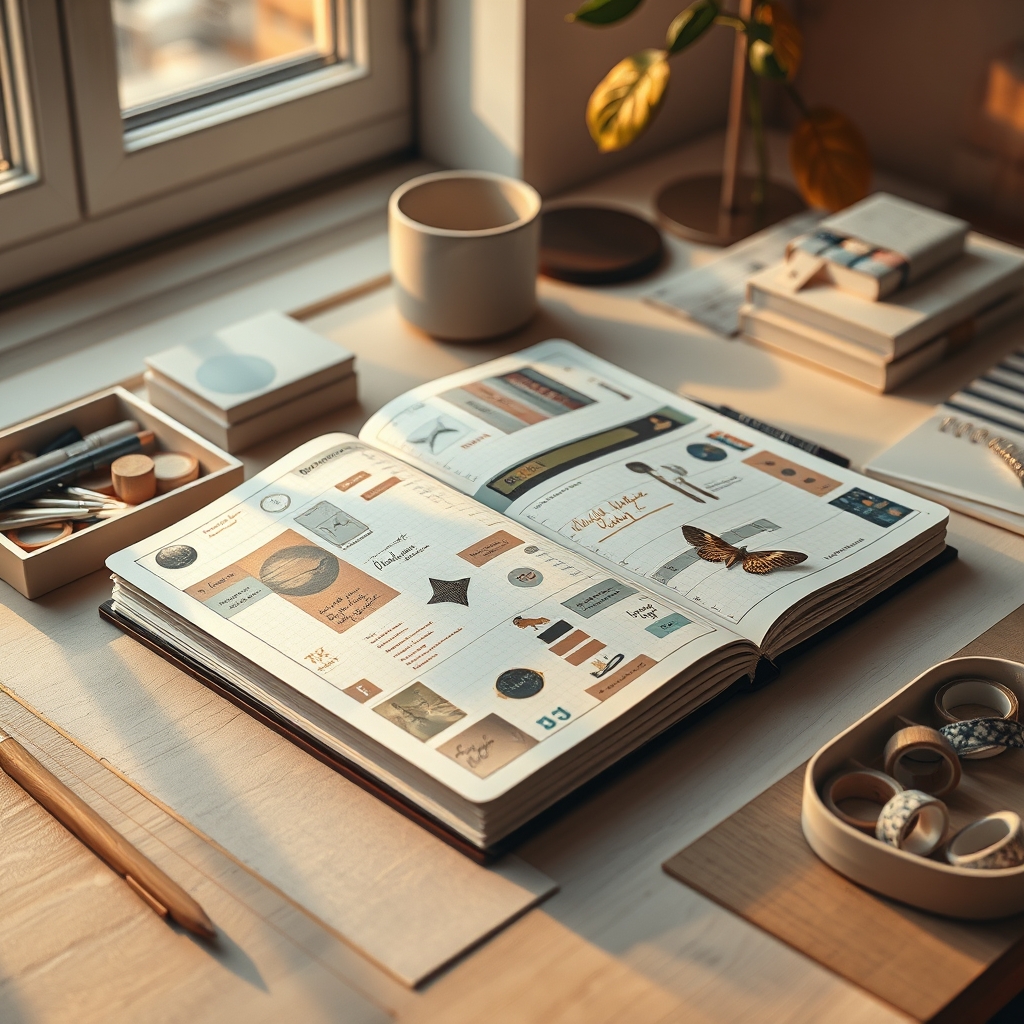
A maximalist layering journal—often dubbed the “chaos coordinator journal aesthetic”—is a style of creative journaling that turns each page into a tactile, expressive collage. Unlike minimalist bullet journals that emphasize order and space, maximalist spreading thrives on stacked washi, PET tape, ephemera, and textures. It’s intentionally “imperfect,” inviting you to cluster materials, overlap elements, and treat the page as an energetic sensory playground.
Why does this resonate now? Search interest in maximalist journal and chaos coordinator journal aesthetics has soared 45% from 2024 to 2026, especially among neurodivergent, ADHD-identified, and sensory-seeking creators [source]. The physical act of layering—cutting, taping, pressing tactile elements onto paper—creates grounding, emotional regulation, and genuine joy. It’s not random chaos; it’s about creating deliberate clusters and focal points while honoring a messy, lived-in look.
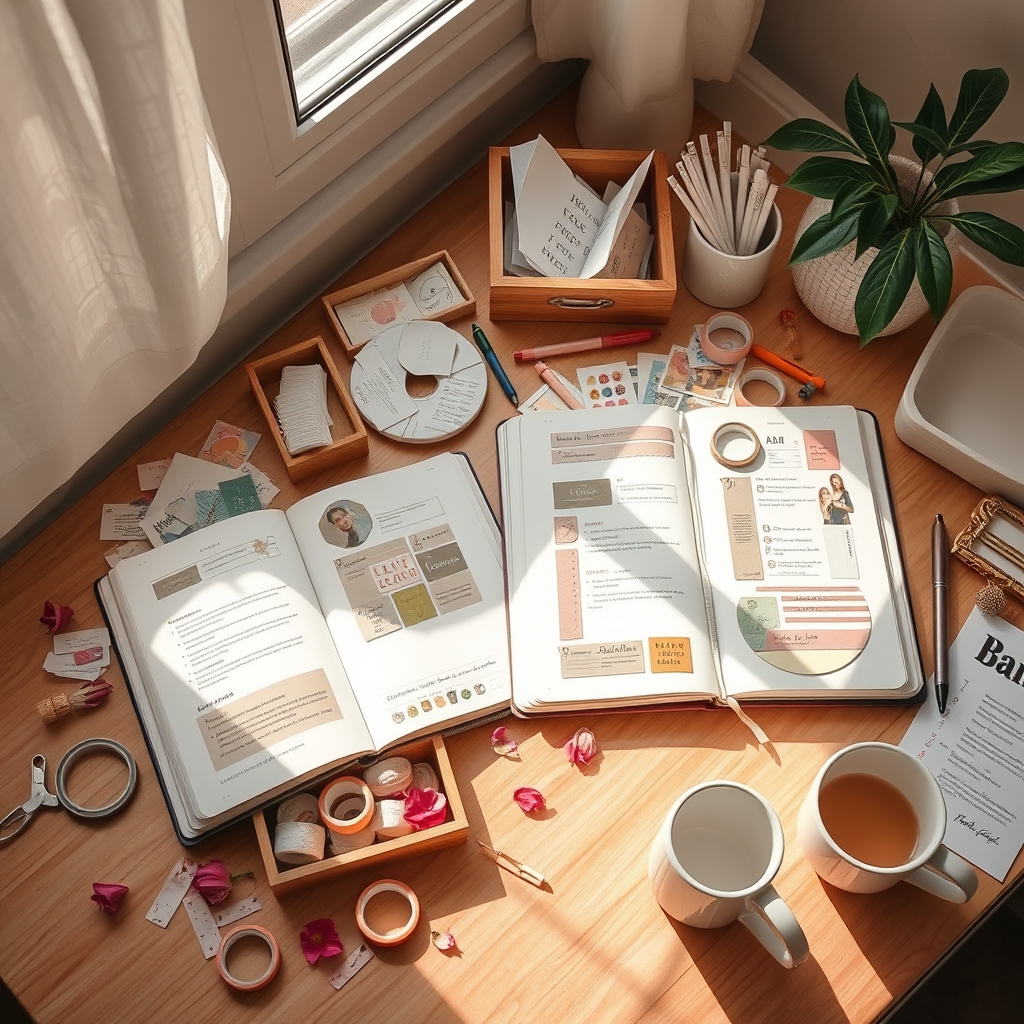
This aesthetic is ADHD-friendly by design. The focus on sensation, variety, and playfulness is intentionally supportive for those who struggle with monotony or perfectionism. The goal: let your journal become both art therapy and an actual record of your life.
For beginners, a junk journal supplies kit is a perfect starting point, and you can build on these basics over time for a sustainable, cost-conscious craft.
Step-by-Step Guide: Building Layered, Textured Journal Pages
Want to build knockout 3D pages that feel alive but don’t become a time-consuming mess? Follow this grounded, professional workflow—no experience required.
Pre-prep your layering elements (PET tape, washi snippets, die-cuts) by batch-cutting and sorting them into “theme bags”—one for travel, one for motifs, etc. This lets you build journal spreads rapidly, even if you only have ten minutes at a time.
Layer matte-finish PET tape as your base, then overlap with high-contrast, lightly textured washi tape. Cluster your most textured pieces (like fabric or heavy cardstock) near page edges—where they’ll add impact but not obstruct writing.
- Gather Essential Supplies
- PET tape: Transparent and sturdy, allows for layered botanicals or motifs without excessive bulk.
- Durable washi tape: Choose matte-finish, strong yet gentle adhesive to avoid warping or peeling.
- Adhesives: Archival gluestick or double-sided tape for paper, plus tape runners for lightweight items.
- Backers: thin cardstock or vellum to reinforce fragile ephemera.
- Your “ephemera clusters”: Pre-sorted cutouts, stickers, or found materials for instant texture.
PET tape and washi sales have jumped 30% and 25% respectively from 2024–2026, reflecting their growing importance for cost-effective, richly layered projects [source].
- Choose Your Spread Theme
Decide on a mood, memory, or visual motif. Good starter ideas: travel logs, season snapshots, mood boards, or grounding pages for ADHD focus. Consider exploring memory-keeping practices like a shadow work journal for deeper prompts.
- Lay Down PET Tape (Base Layer)
Use the PET tape layering technique: Start with a few broad strips in places you’ll cluster, creating a transparent, textured backdrop (botanicals, text fragments, abstract shapes).
- Add Washi and Ephemera (Middle Layer)
Stack matte washi (contrasting patterns/colors) on and around PET bases. Cluster small cutouts, ticket stubs, or word strips—don’t scatter, but group to form visual “anchors.”
For more curated layouts, try simple bullet journal spreads as a template. - Anchor with Backers and Adhesives
For high-texture or heavy pieces, put a thin cardstock backer behind them to prevent page warping. Secure with archival adhesive for long-term durability.
- Balance Texture and Breathing Space
Leave at least 15-25% of the page “open” to preserve legibility. Use visual hierarchy—boldest textures near the page’s edge or in central clusters, lighter materials around journaling sections.
This approach, emphasized in leading tutorials [source], keeps even the wildest maximalist bullet journal spread readable and beautiful.
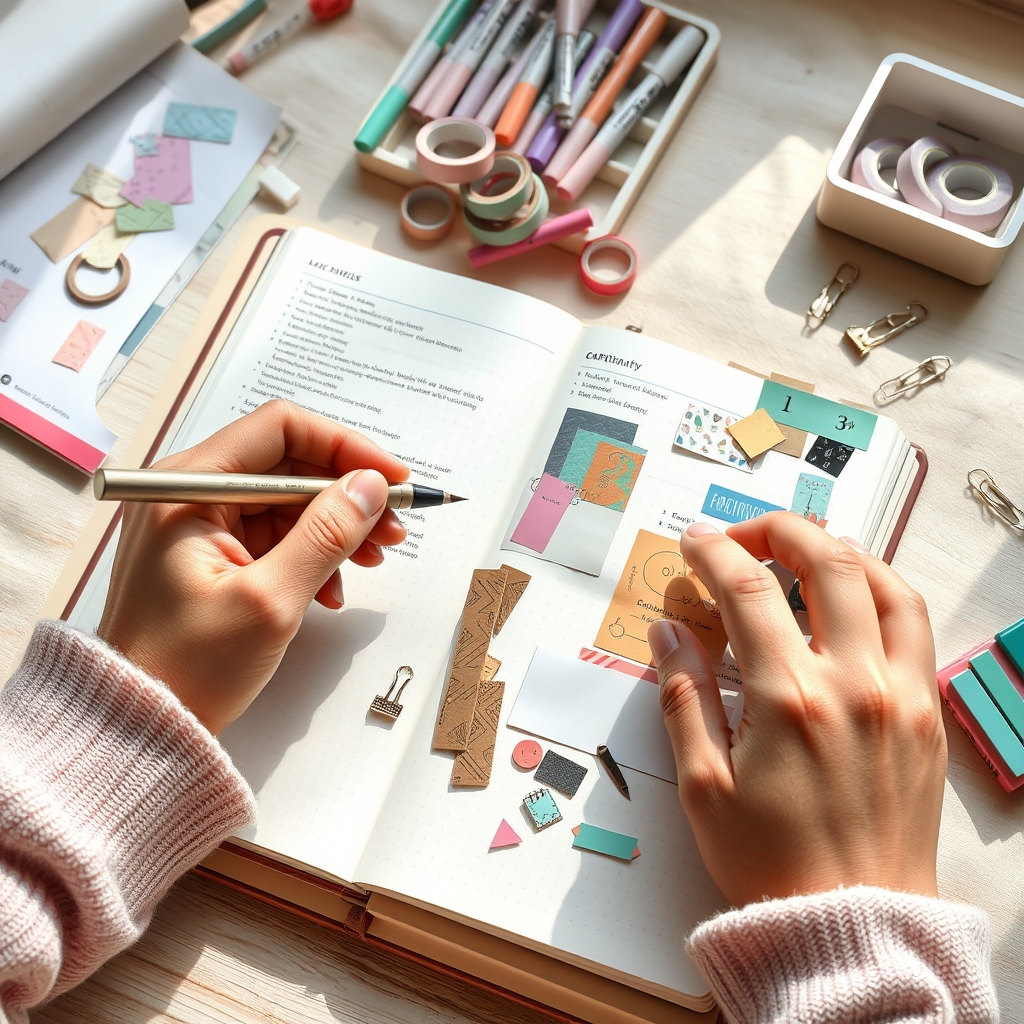
Consider mixing digital and analog: tools like a digital journaling pen let you capture handwriting then add maximalist flair later.
Advanced Analysis & Common Pitfalls
Not every chaos coordinator journal spread goes smoothly. Here’s what real users and trend reports show as the biggest obstacles—plus how to work around them.
| Pain Point | How to Solve | Expert Insight |
|---|---|---|
| Time-Consuming Sourcing | Batch prep supplies into project kits; use pre-planned clusters. | 70% of creators report sourcing as top frustration. Batch kits cut time by ~40% (MoshimoshiUK). |
| Cost of Supplies | Source affordable bulk PET and washi bundles; use “reuse & rotate” elements; try plantable or seed paper for sustainability (seed paper journal inserts). | 60% say cost is a barrier; look for bundle sales and eco alternatives. |
| Page Durability (Tearing/Warpage) | Reinforce with thin backer sheets, archival adhesives, avoid stacking too much near folds. | 45% have pages warp after layering. Thin cardstock reinforcements prevent this long-term. |
| Legibility Issues | Use clusters; keep 20% of area “clear”; highlight text with plain backgrounds or text blocks. | 40% cite poor readability; visual hierarchy principles (see Traci Reed) make a big difference. |
| Sensory Overload | Limit each spread to 2-4 main colors or tactile elements; include “quiet” space. | Summer 2026 trends highlight 3D boxes and grounding pages for ADHD support (source). |
Even advanced maximalist journalers can hit burnout if a project grows unwieldy. If you dread your current system, consider a more flexible approach—like using an AI journaling app for rapid digital capture and physical journaling purely for creative play, or switching to an anti-planner for ADHD to reduce perfectionist stress.
Conclusion
The maximalist layering journal, “chaos coordinator” style, is thriving in 2026. Modern supplies let you build richly textured, expressive spreads without overwhelming mess or cost. Batch prepping, smart reinforcement, and visual hierarchy can solve the biggest pain points. Whether you love artful chaos, need grounding for ADHD, or just want a more creative way to record memories, this style offers flexible freedom.
Ready to start your own maximalist layering journal journey? Gather a few essential supplies and experiment using the workflows above. Even a small step today—one PET tape cluster, one themed spread—can spark a lasting creative habit. Try a dedicated prompt, or jump right into a high-texture scrapbook memory journal 2026-style.
FAQ: Maximalist Layering Journal
What is the difference between maximalist layering and junk journaling?
Maximalist layering journaling focuses on intentional, tactile layering and clusters with a “chaos coordinator” sensibility. Junk journaling can overlap, but is typically about repurposing found or recycled items, often in a more random or vintage style. Maximalist layering emphasizes dense decoration with clarity and visual anchors.
What is PET tape and why is it used in maximalist journals?
PET tape is a transparent, smooth adhesive tape printed with detailed designs. It’s much stronger and clearer than regular washi; it layers well for depth without adding too much bulk, making it ideal for high-impact, durable journal textures. PET tape layering techniques are especially popular in current maximalist bullet journal spreads.
How can I avoid pages tearing or warping from heavy layering?
Use thin cardstock or vellum backers behind heavy pieces, opt for matte PET tape as a base rather than regular stickers, and secure with archival-grade glue. Never put bulky materials close to page folds. Thin reinforcement spreads the tension, keeping textured journal pages durable over time.
How do I keep my maximalist spread readable and not too chaotic?
Limit each spread to two or three major color themes and cluster your elements instead of scattering them. Leave about 20% of each page open as “quiet space” for writing. Use plain card or white washi under text blocks for clarity.
Can maximalist layering be ADHD-friendly?
Yes. The sensory, tactile process can be grounding and stimulating, especially if you batch supplies and keep things playful (not perfectionist). Try using “grounding objects” or dedicate a spread as a sensory tool. Many neurodivergent creators report reduced overwhelm with organized chaos, rather than strict order.