

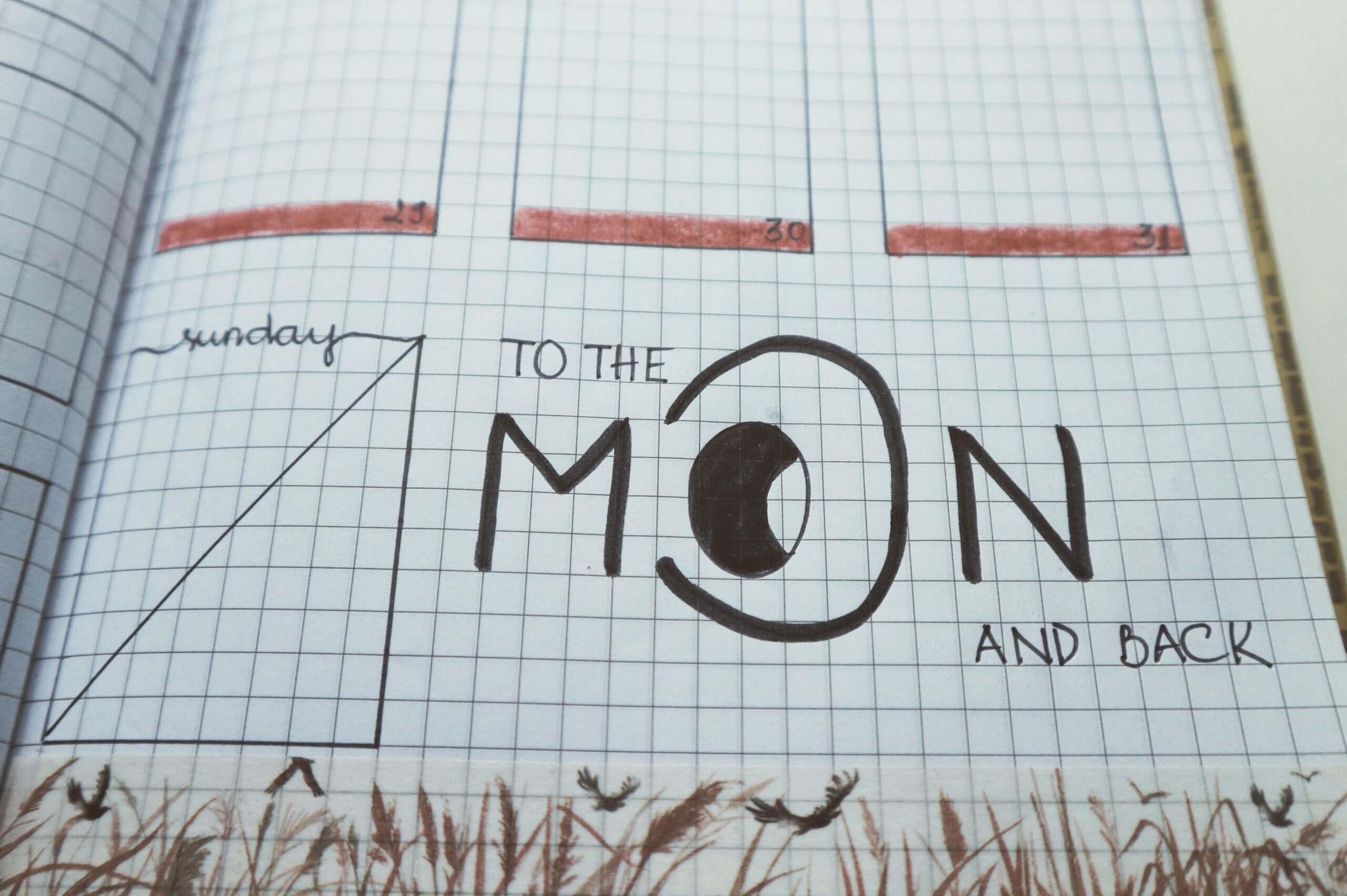
Bullet journal layouts have exploded in popularity because they offer a creative yet practical system for organizing life, work, and habits—all in one place. But knowing how to choose, set up, and sustain bullet journal layouts that don’t waste time or money is where most people get stuck.
Key Takeaways
- Bullet journal layouts combine creativity and productivity, but time, cost, and durability are common issues—solutions exist.
- Knowing paper specs, notebook types, and real user pain points helps you save money and stress.
- Consistency in creative bullet journal spreads matters more than looks; realistic systems beat “Insta-worthy” pages for daily use.
- Why Bullet Journal Layouts Remain Popular in 2024–2025
- Common Pain Points with Creative Bullet Journal Spreads (and How to Solve Them)
- Essential Layout Types & Inspiration: What’s Trending
- Hard Facts that Make (or Break) Your Bullet Journal
- Saving Time and Money: Tips for Efficient, Affordable Bullet Journal Spreads
- Final Checklist: Planning Your Next Creative Layout
- FAQ: Bullet Journal Layouts
Why Bullet Journal Layouts Remain Popular in 2024–2025
Bullet journaling shows no sign of slowing down. In 2024, it became a $3.27 billion global market, and by 2025 grew to $3.40 billion, with 92 million users worldwide. This surge is fueled largely by 18–34-year-olds (55% of users) and European adoption, where 23 million actively participate. The appeal is simple: bullet journal layouts allow you to handle everything—calendar, tasks, goals, habits—while expressing personal style. Social media, especially Instagram and TikTok, amplify this trend by making creative bullet journals aspirational for young adults and busy professionals.

Common Pain Points with Creative Bullet Journal Spreads (and How to Solve Them)
As inspiring as creative bullet journal spreads look, most users run into concrete problems—usually leading to abandoned planners or burnt-out beginners. Here’s what actually holds people back and how to address each:
- Setup Time: Complex creative spreads can take 10–30 minutes to draw, making them hard to sustain weekly.
Solution: Batch-create templates for weeks or months, and start simple before adding embellishments. - Readability: Decorative elements like intense doodles or washi can crowd pages and make information hard to scan.
Solution: Use contrasting headers and keep important info in simple, legible boxes. - Cost: Premium A5 dot-grid notebooks cost $15–$30 each. Specialty pens cost $5–$20 per pen, and supplies stack up fast.
Solution: Invest in one core set of pens and use budget notebooks until you find your style. Try using leftover stationery from junk journal supplies or recycled paper. - Durability: Thin paper (under 80gsm) can tear or let ink bleed through, making spreads messy quickly.
Solution: Read paper specs before buying; aim for 90–120gsm when possible. - Consistency: Many users report difficulty keeping up, especially when spreads become too elaborate.
Solution: Use ready-made templates and habit trackers. Consider minimalist layouts like those in our beginner’s bullet journal guide for a simple, repeatable setup.
For more real-world journaling solutions, see our anti-planner approach for managing perfectionism and “planner paralysis.”
Essential Layout Types & Inspiration: What’s Trending
Most bullet journals rely on a handful of core layouts. These can be as creative or as minimal as you like. Here’s what’s trending now—drawn from what’s popular in high-ranking guides like Square Lime Designs and Life’s Carousel:
- Weekly Logs: One spread for an entire week’s tasks, appointments, and goals—easy to batch create, and perfect for seeing patterns at a glance.
- Monthly Spreads: Overview calendars plus goals or habit trackers for 30 days.
- Trackers: Habit trackers, mood trackers, and sleep logs are among the most popular creative bullet journal spreads.
- Collections: Lists or pages for books to read, movies watched, or “future me problems.” Useful for mental offloading.
- Thematic Layouts: Seasonal, holiday, or motivational themes—these show off your unique style while staying functional.
It’s worth mixing traditional and trending layouts. For sustainability, consider eco-friendly bullet journal inspiration.
Hard Facts that Make (or Break) Your Bullet Journal
Most blog posts skip the specs that actually determine whether your bullet journal layouts stand the test of time (and use!). Here’s what matters:
- Notebook Size: Standard A5 (148 × 210 mm) fits most bags. B5 (176 × 250 mm) gives you more space but is bulkier. Check your carry needs.
- Paper Weight: Budget books: 70–80gsm bleed easily. Premium: 90–120gsm paper supports pens, markers, and even some light watercolor work.
- Binding: Softcover and ring-bound are flexible; hardcover is most durable and prevalent in Europe, according to market reports.
- Annual Cost:
| Level | Notebook | Pens/Markers | Stickers/Tapes | Total (Annual) |
|---|---|---|---|---|
| Entry | $10 (budget, 70gsm) | $5–10 | $0–5 | $15–$25 |
| Mid | $20 (A5, 90gsm) | $15–20 | $10–15 | $45–$55 |
| Premium | $30 (A5/B5, 120gsm) | $30–50 | $30–40 | $90–$120 |
Want to go high-tech or paperless? Compare paper to digital with our hybrid analog digital planner guide or see smart journaling pen reviews for connected options. For zero-waste and innovative inserts, see seed paper bullet journal ideas.
Saving Time and Money: Tips for Efficient, Affordable Bullet Journal Spreads
For journals to work, you need systems that are sustainable in both time and cost. Here’s how real users—especially those spending $30–$50 annually, the majority—manage:

- Reuse stencils or washi tape for quick borders rather than hand-drawing every box.
- Start with a “skeleton” layout—shape basic boxes and headers, then layer details later as you have time.
- Choose one main pen set and commit for the year. Limit accessories to what you use every month.
- Rotate between minimalist weeks and elaborate weeks to avoid burnout and keep the process enjoyable.
- Test supply durability on the last page before creating a big multi-color spread. Prevents ink bleed disasters.
For creative, affordable inspiration, see our article on maximalist layering techniques—which shows how to use PET tape and paper scraps for rich effects without overspending.
Final Checklist: Planning Your Next Creative Layout
Staying consistent and avoiding abandoned journals starts with a simple, actionable plan. Here’s the ultimate checklist for bullet journal layouts and creative bullet journal spreads:
- Choose notebook size (A5 or B5) and paper weight (aim for 90gsm+ for regular use, especially if you use markers).
- Set a regular setup time—schedule 10–15 minutes weekly, and never exceed 30 minutes for any spread.
- Batch-create templates for a month at a time for trackers, collections, and logs.
- Stick with one core color palette or pen set per quarter—simplifies design decisions and reduces cost.
- Track which spreads work and which don’t (use a ‘favorites’ or ‘failures’ collection page near the back).
- Always prioritize readability over decoration. Information should be instantly scannable.
- Test new supplies before committing to a full spread to prevent damage or wasted time.
- If you miss a week—skip, don’t quit. Use minimal layouts as a reset strategy.
- Leverage community layouts for inspiration but adjust for your time and needs. See leading guides from ErinCondren.com and Square Lime Designs.
Difficulty maintaining consistency is a top pain point for bullet journal layouts—use this checklist to keep your planning on track and realistic.
Advanced Analysis & Common Pitfalls
Even with the best layouts and intentions, most users face practical hurdles not covered in glossy social media posts. Here’s what to prepare for:
- Perfectionism spiral: Too much focus on “Insta-worthy” layouts creates anxiety, slows setup, and often leads to quitting. Solution: Aim for functional, not perfect. Give yourself permission to use quick or messy pages when needed.
- Underestimating costs: Extra supplies add up rapidly. Plan to spend $30–$50 per year unless you’re intentionally going premium. Save by sticking to multi-use pens and buying notebooks in bulk.
- Paper mismatch: Using wet markers or highlighters on 70gsm paper leads to bleed-through. Always check notebook specs before buying. For reference, most entry-level notebooks are 70–80gsm; true “marker-proof” books are 90–120gsm.
- Time burden: Ambitious spreads may not fit your schedule once work or school gets busy. Solution: Use printable inserts or ready-made stencils, and batch your layouts monthly.
- Lack of tracking: Not reviewing which spreads work leaves you repeating frustrating layouts. Use a feedback page to tweak your system.
For further analysis on overcoming journaling and planning traps specifically for ADHD or inconsistent planners, bookmark our anti-planner system.

Conclusion
Bullet journal layouts thrive because they connect creativity with practical organization. But the only layouts that stick are ones you can execute quickly, read easily, and maintain without financial strain. Prioritize functional choices: choose sturdy paper, limit your palette, batch your setups, and review what works. Ready to transform how you plan, organize, and reflect? Pick a layout from above, grab a notebook, and reclaim the power of bullet journal layouts—one realistic spread at a time. Share your tips below or explore our beginner-friendly bullet journal ideas for your next setup!
FAQ: Bullet Journal Layouts
What is the best paper weight for bullet journal layouts?
For most creative bullet journal spreads, 90–120gsm paper works best. It stops ink from bleeding through and feels more durable. Avoid cheap sub-80gsm notebooks if you use markers or fountain pens.
How do I save money on bullet journaling?
Start with a budget notebook and a basic pen set. Reuse stickers and washi from old supplies, or print templates. Track what supplies you use most before investing in premium gear.
What spreads are easiest to maintain for beginners?
Weekly logs and simple trackers are the easiest. Use a repeating structure and minimal decoration to save time, then add creative details as you get comfortable.
How can I stay consistent with my journal?
Schedule one slot per week to update your journal. Use batch templates or printed inserts during busy times. Remember, missing a week isn’t failure—pick up where you left off.
Where can I find more ideas for creative bullet journal spreads?
Explore the latest trends in our maximalist layering journal guide or see eco-friendly ideas in our solarpunk journal aesthetic roundup.